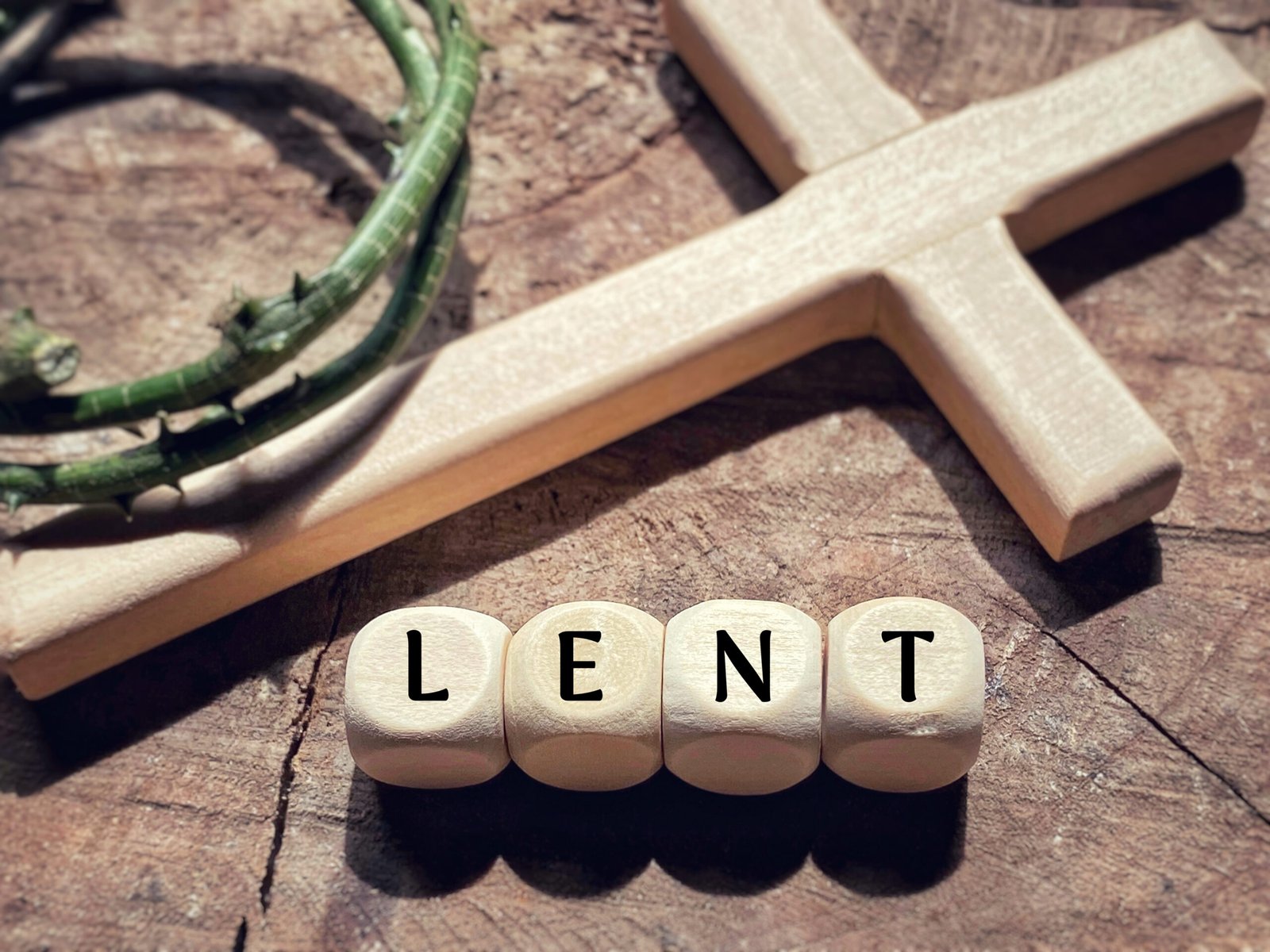
Lent Season: What Is It, Where Did It Come From? and What Does the Bible Say About It?
Every year, millions of Christians around the world observe the Lent season. Some fast from food. Others give up social media, sweets, or entertainment. Churches hold special services. But many believers still ask:
What is Lent really about?
Where did it come from?
Is Lent in the Bible?
Should Christians observe it today?
In this article, we will explore the origin of Lent, its historical development, and what Scripture actually says about fasting and spiritual preparation.
What Is Lent?
Lent is a 40-day season of prayer, fasting, repentance, and spiritual reflection observed by many Christian traditions. It begins on Ash Wednesday and ends on Holy Saturday, the day before Easter Sunday.
The purpose of Lent is to prepare believers spiritually for the celebration of the resurrection of Jesus Christ at Easter.
The word “Lent” comes from an Old English word meaning “springtime.” However, the spiritual meaning developed within the early Church as a time of self-examination and humility before God.
Where Did Lent Come From? (The Origin of Lent)
Lent did not begin during the time of the apostles. It developed gradually in the early centuries of Christianity.
By the 2nd and 3rd centuries, Christians were already fasting before Easter. However, the length and structure varied from place to place. Some fasted for two days, others for a week.
By the 4th century, especially after Christianity became legally recognized under Constantine the Great, the Church formalized a 40-day fasting period leading up to Easter.
Church councils, including the Council of Nicaea (AD 325), mentioned a 40-day period of preparation before Easter, although it did not give detailed instructions about how to observe it.
Over time, Lent became a structured liturgical season in traditions such as the Roman Catholic Church, the Eastern Orthodox Church, and later some Protestant denominations like the Anglican Communion and the Lutheran Church.
Why 40 Days?
The 40 days of Lent are symbolic. In the Bible, the number 40 often represents a time of testing, preparation, or purification:
Moses fasted 40 days on Mount Sinai (Exodus 34:28).
Elijah fasted 40 days (1 Kings 19:8).
Israel wandered 40 years in the wilderness.
Most importantly, Jesus fasted 40 days in the wilderness before beginning His ministry (Matthew 4:1–2).
Lent is patterned after the 40-day fast of Jesus. However, it is important to understand that Jesus’ fast was a direct leading of the Holy Spirit, not a church calendar tradition.
Is Lent in the Bible?
The word “Lent” does not appear in the Bible.
There is no direct command in Scripture that instructs Christians to observe a 40-day season before Easter.
However, the Bible does speak clearly about:
Fasting
Repentance
Prayer
Self-examination
For example:
Joel 2:12 – “Return to Me with all your heart, with fasting, with weeping, and with mourning.”
Matthew 6:16–18 – Jesus assumes believers will fast, but He warns against doing it to be seen by others.
2 Corinthians 13:5 – “Examine yourselves, whether you are in the faith.”
So while Lent as a formal season is not commanded in Scripture, the spiritual disciplines practiced during Lent are biblical.
What Does the Bible Say About Fasting?
Fasting in the Bible is always connected to humility, repentance, dependence on God, or seeking His guidance.
But the Bible also gives important warnings:
1. Fasting Must Be Sincere
Jesus warned against public displays of fasting just to impress people (Matthew 6:16).
2. Fasting Is Not a Way to Earn Salvation
Salvation comes by grace through faith (Ephesians 2:8–9), not by fasting, rituals, or religious seasons.
3. True Fasting Is About the Heart
Isaiah 58 teaches that real fasting is not just abstaining from food but living in righteousness, justice, and compassion.
This means God is not impressed by empty religious practices. He desires a transformed heart.
Should Christians Observe Lent Today?
This is where believers differ.
Some Christians Observe Lent Because:
It helps them focus on repentance.
It builds spiritual discipline.
It prepares their hearts for Easter.
It strengthens their prayer life.
Other Christians Choose Not to Observe Lent Because:
It is not commanded in the Bible.
They believe every day should be lived in repentance and devotion.
They are concerned about turning it into a ritual or legalism.
The Apostle Paul gives helpful wisdom in Romans 14:5–6. He says some esteem certain days as special, while others consider every day alike. Each person should be fully convinced in their own mind.
This means observing Lent is not a salvation issue. It is a matter of conscience and conviction.
The Danger of Religious Tradition
Throughout history, religious traditions sometimes became more important than the heart behind them.
Even in Jesus’ time, He rebuked religious leaders for honoring traditions more than God’s commandments (Mark 7:8).
So if Lent becomes:
A way to appear holy
A competition of sacrifices
A ritual without repentance
Then it loses its true purpose.
But if it becomes:
A sincere time of prayer
A season of deeper devotion
A return to God
Then it can be spiritually beneficial.
The Most Important Question
Lent is not the center of Christianity.
Jesus Christ is.
The real power of the Christian faith is not in a season but in the cross and resurrection. Whether someone observes Lent or not, what truly matters is:
Have you repented of your sins?
Do you trust in Jesus Christ for salvation?
Are you walking daily in obedience and faith?
Spiritual growth does not come from a calendar. It comes from a surrendered heart.
Final Thoughts: Lent in Biblical Perspective
To summarize:
Lent developed in the early Church, not during the time of the apostles.
It became structured in the 4th century.
It is inspired by the 40-day fast of Jesus.
The Bible does not command Christians to observe it.
The practices associated with it, prayer, fasting, and repentance are biblical.
Observing Lent is a matter of personal conviction, not a requirement for salvation.
If you choose to observe Lent, do it sincerely and humbly.
If you choose not to, make sure your life is still marked by daily repentance, prayer, and devotion to Christ.
Because in the end, God is not looking for seasonal religion.
He is looking for a heart that is alive and fully surrendered to Him.