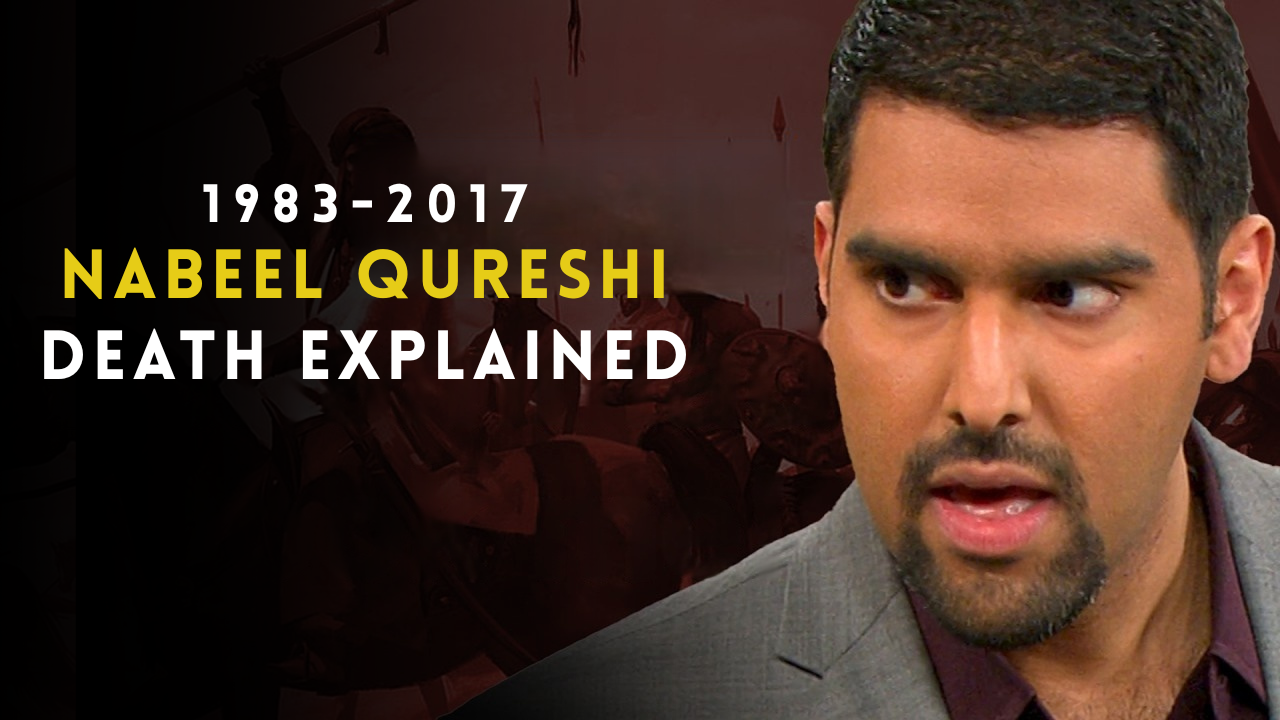
The 3 Keys to Christian Salvation According to Nabeel Qureshi
Introduction: From Islam to the Cross of Christ
Nabeel Qureshi’s journey from devout Muslim to passionate Christian is one of the most powerful testimonies of our generation. Raised in a loving and committed Muslim home, Nabeel deeply valued truth, logic, and devotion to God. But his search for truth led him to examine the claims of Jesus Christ and ultimately surrender his life to Him.
After coming to faith in Christ, Nabeel boldly proclaimed the gospel around the world. One of the core messages he consistently emphasized was this: Christian salvation is not about religion, it is about a relationship with Jesus.
Through his teachings and testimony, Nabeel highlighted three essential biblical keys to salvation.
Let’s explore them.
1. Salvation by Grace — Not by Works
One of the biggest differences Nabeel discovered between Islam and Christianity was the concept of grace.
In Islam, salvation depends on good deeds outweighing bad deeds. There is uncertainty. There is striving. There is fear of never knowing whether you’ve done enough.
But in Christianity, Nabeel found something radically different: grace.
“For it is by grace you have been saved, through faith and this is not from yourselves, it is the gift of God, not by works, so that no one can boast.” (Ephesians 2:8–9)
Nabeel often explained that salvation is a gift, not a reward. No amount of good works can erase sin. No moral effort can make us perfect before a holy God. If salvation depended on human effort, no one would qualify.
Grace means that Jesus did what we could not do.
On the cross, Christ paid the full penalty for sin. Salvation is not earned, it is received.
This truth overwhelmed Nabeel. The idea that God Himself would step into history, bear our punishment, and offer forgiveness freely transformed his understanding of who God is.
2. Faith in Jesus Christ as Lord and Savior
The second key Nabeel emphasized was faith, not generic belief in God, but specific trust in Jesus Christ.
As a Muslim, Nabeel already believed in one God. But Christianity required something deeper: acknowledging that Jesus is the Son of God, crucified and risen again.
Salvation is not simply believing God exists. It is trusting in what Jesus accomplished on the cross.
“If you confess with your mouth, ‘Jesus is Lord,’ and believe in your heart that God raised Him from the dead, you will be saved.” (Romans 10:9)
For Nabeel, this was the hardest step. Accepting Jesus as Lord meant risking family, community, and identity. It meant surrendering everything.
But he concluded that truth matters more than comfort.
Faith, as he described it, is not blind belief, it is trust based on evidence. Nabeel examined the historical reliability of the New Testament, the resurrection of Christ, and the claims of Jesus. He found Christianity not only spiritually satisfying but intellectually compelling.
Christian salvation begins when a person places full trust in Jesus alone, not in religion, rituals, or personal righteousness.
3. Repentance and Surrender of the Heart
The third key Nabeel often spoke about was surrender.
Salvation is not just intellectual agreement. It is a transformation of the heart.
To follow Christ means to repent, to turn away from sin and turn toward God. It means acknowledging our brokenness and inviting Jesus to take control of our lives.
Jesus said:
“Whoever wants to be my disciple must deny themselves and take up their cross and follow Me.” (Matthew 16:24)
For Nabeel, surrender was deeply personal. When he finally prayed to receive Christ, he did so with tears. He knew it would cost him dearly. And it did.
But he also discovered peace.
True Christian salvation involves:
Recognizing our sin
Turning away from it
Submitting to Jesus as Lord
It is not about adding Jesus to our life, it is about giving Him our life.
Why Nabeel’s Message Matters Today
Nabeel Qureshi’s story continues to impact millions because it speaks to both the heart and the mind.
He showed that:
Christianity is not blind faith.
Salvation is not uncertain striving.
God’s love is not distant, it is personal and sacrificial.
For those coming from Islam, his testimony offers clarity about the gospel. For lifelong Christians, it is a reminder of the beauty of grace. For seekers of truth, it is an invitation to examine Jesus seriously.
Nabeel often said that he did not leave Islam because he disliked it, he left because he believed Christianity was true.
And at the center of that truth is salvation through Jesus Christ alone.
The 3 Keys to Christian Salvation According to Nabeel Qureshi
Let’s summarize clearly:
Grace Alone – Salvation is a gift from God, not earned by works.
Faith in Jesus Christ – Trust in His death and resurrection as the only way to God.
Repentance and Surrender – A transformed heart fully submitted to Christ.
These are not man-made doctrines. They are biblical truths rooted in the gospel message.
Final Reflection: Have You Received This Gift?
Nabeel’s life reminds us that salvation is deeply personal.
It is not about culture. It is not about family tradition. It is not about religious identity.
It is about truth and about Jesus.
The same grace that transformed Nabeel’s life is available to anyone today.
“I am the way and the truth and the life. No one comes to the Father except through Me.” (John 14:6)